


The automotive retail landscape continues to evolve, and so does one of the industry’s longest-standing consumer engagement platforms: the auto show.
For decades, auto shows have connected automakers with prospective buyers, giving consumers the opportunity to explore new vehicles, compare competing models and experience the latest technology in a single destination. Today, these events are expanding beyond traditional vehicle exhibitions, creating new opportunities throughout the automotive retail ecosystem.
The Los Angeles Auto Show, founded in 1907 and held annually in the nation’s largest vehicle market, offers a compelling example of this transformation. Organizers recently announced a 130% year-over-year increase in combined media and sponsorship commitments for the 2026 event, driven by growing interest from companies spanning financial services, technology, energy, gaming, entertainment and consumer lifestyle categories.
The growth reflects a broader shift in how marketers view auto shows: not simply as destinations for automotive enthusiasts but as consumer engagement platforms that reach shoppers at multiple stages of the vehicle purchase journey.
For automotive dealerships, this evolution presents an opportunity worth examining.
The Auto Show Audience Remains a Valuable Automotive Consumer
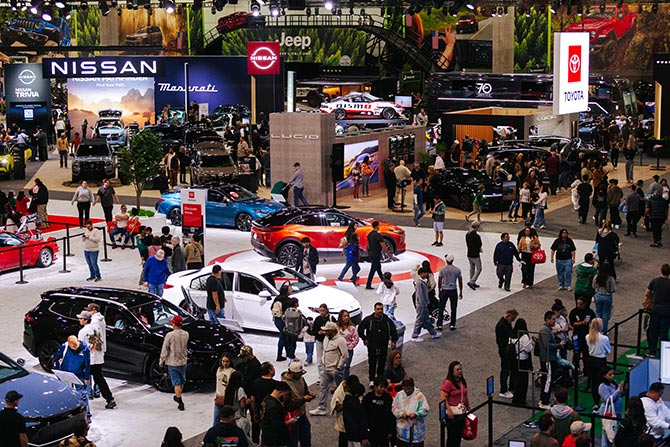
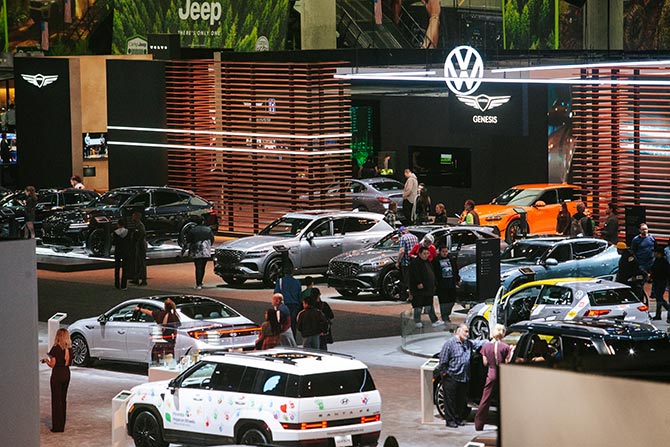
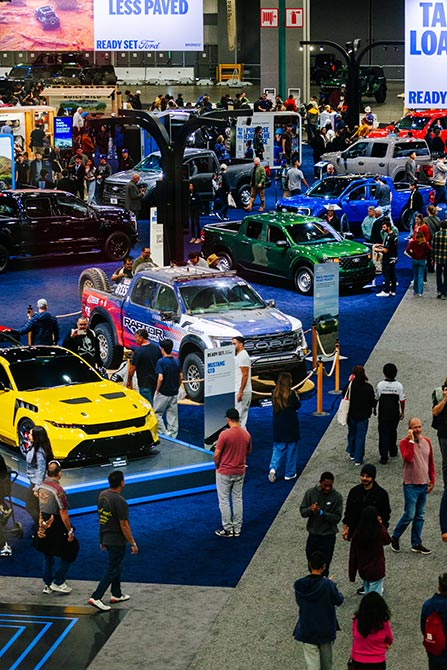
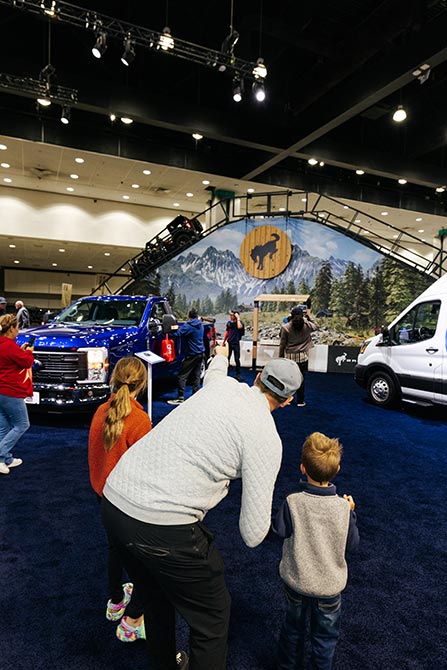
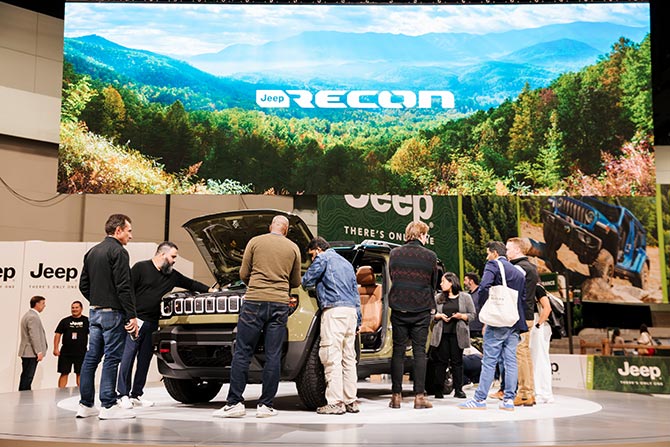
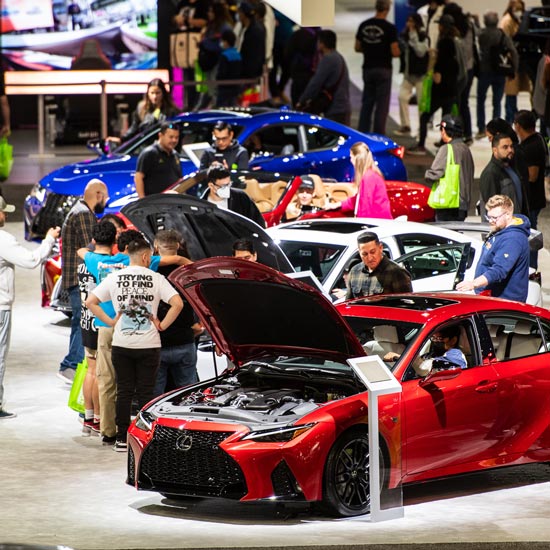
Despite the expansion into lifestyle, entertainment and consumer experiences, the foundation of the auto show remains unchanged: bringing prospective buyers face-to-face with vehicles. Unlike traditional advertising, auto shows allow consumers to sit inside vehicles, evaluate features, compare competing brands and experience new technologies in a pressure-free environment.
These interactions help consumers narrow their consideration sets before visiting a dealership. A shopper who arrives already familiar with a vehicle’s features, design and driving experience may be further along in the purchasing process than someone beginning their research.
Auto shows also attract consumers who may not be actively shopping but are beginning to consider their next vehicle. Engaging these audiences early can build brand familiarity and influence future purchasing decisions.
The ability to reach both immediate and future buyers creates value extending well beyond the event itself.
Major Consumer Brands Recognize the Opportunity
The 2026 Los Angeles Auto Show, presented by Chevron with Techron, illustrates how companies outside traditional automotive manufacturing increasingly recognize the value of engaging automotive consumers.
Chevron with Techron becomes the first energy company in the show’s history to serve as Presenting Sponsor, while Capital One Auto Navigator has secured the Official Car Shopping and Financing sponsorship category. Capital One’s participation is particularly relevant to automotive retailers, reinforcing the growing intersection of vehicle discovery, financing preparation and the consumer purchase journey.
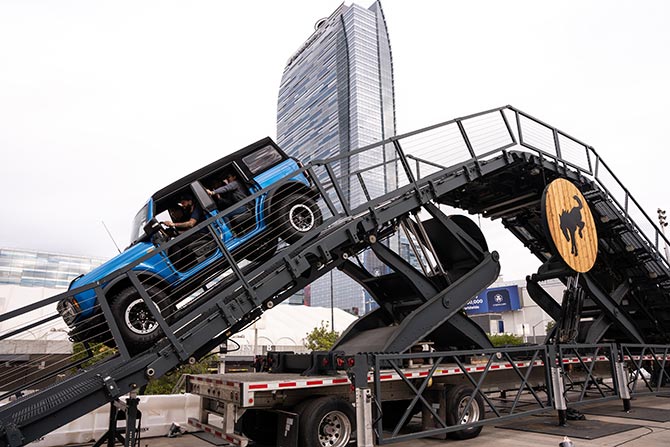
The Los Angeles Department of Water and Power will also sponsor the outdoor LADWP Test Track, where consumers can experience electric and hybrid vehicles from multiple manufacturers side by side.
Beyond automotive-related categories, organizations including the Lucas Museum of Narrative Art, TikTok and entertainment brands are participating in experiences that introduce the show to new audiences and expand its reach across media, culture and lifestyle. These companies recognize something fundamental about the auto show audience: Attendees are willing to dedicate significant time to exploring products, engaging with brands and discovering new experiences.
For dealerships investing substantial resources in digital advertising and customer acquisition, that concentration of consumer attention is increasingly valuable.
A Broader Role for Dealerships and Regional Automotive Retailers
Historically, automakers have carried much of the responsibility for establishing a brand’s presence at major auto shows, and a comprehensive OEM-led presence remains the preferred model. Manufacturer participation delivers the greatest depth of vehicle displays, technology showcases and brand experiences, benefiting the event, dealerships and consumers alike.
However, when an automaker elects not to participate, an opportunity emerges for local dealerships and regional dealer groups to maintain their brand’s visibility in a highly competitive shopping environment.
This is particularly relevant for premium brands such as Mercedes-Benz, BMW and Lexus. Los Angeles Auto Show attendee research confirms that existing owners of these brands attend in significant numbers, arrive expecting to see their brands represented, and actively cross-shop competing vehicles. When those brands are absent, competitors gain a valuable opportunity to engage consumers who already demonstrate an affinity for the premium automotive segment and may be considering their next purchase.
For regional retailers, this creates both a competitive consideration and an opportunity to keep their brands in consumers’ consideration sets. With the growing popularity of on-site test drives, regional dealer groups can create compelling brand experiences without replicating the scale or investment of an OEM-led exhibit. A curated display featuring a selection of priority models could be complemented by those same vehicles available for test drives just steps away, allowing consumers to move seamlessly from product discovery to firsthand driving experience.
Ultimately, consumers attend auto shows expecting choice. They want to explore vehicles across brands, compare options and experience models that interest them most. When a brand is absent, that expectation doesn’t disappear; consumers simply turn their attention to the competitors present. In the consumer’s eyes, that absence can reflect more on the brand than on the event itself.
While regional participation may not replicate the impact of an OEM-led exhibit, it can preserve brand awareness, support existing customer relationships and engage prospective buyers who might otherwise gravitate toward competing vehicles.
The greater opportunity lies in recognizing that auto show participation need not depend exclusively on OEM initiatives. In a competitive retail market, ensuring a brand is present where consumers evaluate their next vehicle can be a meaningful advantage.
Connecting the Auto Show Experience to the Showroom
The most significant opportunity for dealerships may be connecting the excitement of vehicle discovery with an eventual showroom visit. Dealerships can build on consumer interest generated at an auto show through coordinated local advertising, digital engagement, test-drive opportunities and post-event marketing, making it easier for shoppers to continue their research and visit a dealership.
Regional auto shows also provide opportunities to strengthen community relationships, introduce dealership groups to new audiences and build connections that extend into vehicle ownership and service.
As vehicle technology grows more sophisticated and purchasing decisions become increasingly complex, firsthand product experiences remain an important complement to digital research.
A Q4 Marketing Platform with Growing Reach
Timing is another important consideration. The 2026 Los Angeles Auto Show takes place Nov. 20-29, aligning with Thanksgiving, Black Friday and the opening of the holiday shopping season.
The event begins Nov. 19 with AutoMobility LA, its global media and industry day, bringing together automotive executives, journalists, technology leaders and business decision-makers. Ten public days then provide an extended opportunity to reach consumers during one of the year’s most competitive retail marketing periods.
For dealerships, that timing offers potential alignment with year-end sales initiatives, local advertising campaigns and customer acquisition strategies.
The Next Chapter of Automotive Consumer Engagement
The 130% growth in media and sponsorship commitments at the Los Angeles Auto Show signals broader recognition of the value that automotive events deliver in today’s competitive consumer marketplace. As financial services, technology, entertainment and lifestyle companies expand their presence, the automotive industry has an opportunity to reconsider how it leverages these established platforms.
For manufacturers, auto shows remain an important vehicle for showcasing products and building brand awareness. For dealerships and regional retailers, they offer opportunities to engage consumers earlier in the purchase journey, strengthen market visibility and translate vehicle discovery into lasting customer relationships.
Ultimately, the strength of an auto show comes from bringing together the vehicles consumers want to explore and the businesses that make ownership possible. As these events evolve, the opportunity extends across the automotive industry, from the companies building the vehicles to the dealerships bringing them into consumers’ driveways.