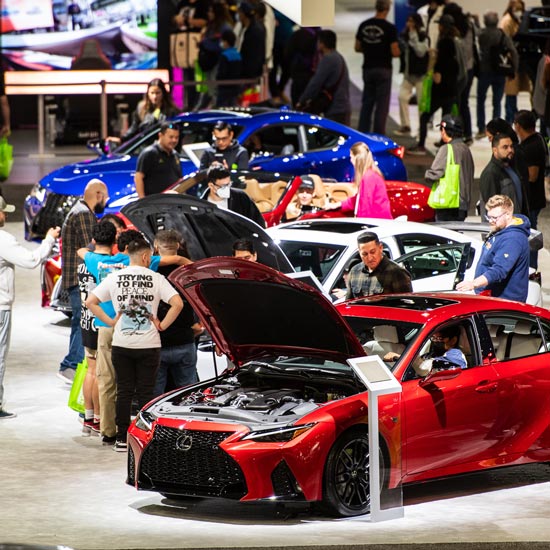






Real estate is expensive, labor costs are high, and competition is intense. Yet sophisticated buyers continue to pursue the state. The number of dealerships bought or sold in the state increased 76% during the first half of 2026. More important is why buyers remain willing to deploy significant capital into California, and what that says about dealership value.
Blue sky multiples get enormous attention in dealership M&A, but a multiple is still a market opinion. It reflects buyer sentiment, scarcity and deal flow as much as underlying economics. The Franchise Horsepower Index in the Q2 2026 Haig Report looks beneath the multiple by measuring new vehicle throughput multiplied by average transaction price. New vehicle sales feed the dealership. More throughput creates trade-ins, F&I opportunities and vehicles that return to fixed operations. Higher transaction prices increase the revenue opportunity.
California adds another dimension. The state ranks first nationally in retail vehicles in operation and third in new retail sales per franchise. California dealerships therefore operate with substantial volume per rooftop while serving the largest installed base of retail vehicles in the country.
Throughput powers the engine. Vehicles in operation help stabilize it.
Nationally, Lexus, BMW, Toyota and Mercedes-Benz lead the Franchise Horsepower Index at 2.55x, 2.15x, 2.03x and 1.75x the market average, respectively. Toyota represents 19.4% of LA County new retail registrations compared with 14.6% nationally. Lexus represents 5.1% locally versus 2.6% nationally, BMW 5.1% versus 2.4%, and Mercedes-Benz 5.6% versus 2.9%. A franchise with strong economics nationally can become even more valuable where the brand materially over-indexes with consumers. That is one reason Toyota remains, in our view, the most desirable franchise in California. Lexus, BMW and Mercedes-Benz hold exceptional buyer demand; Honda is an undervalued/high-conviction opportunity; and Kia is a brand to watch. But this is not a sales ranking. It reflects franchise economics, consumer demand, scarcity, product direction and buyer appetite.
Honda represents 13.1% of LA County registrations compared with 9.7% nationally, demonstrating how well the franchise fits Southern California. Honda possesses many Toyota-like characteristics: high throughput, loyal customers, dependable products and strong fixed operations. The average Honda dealership sold 1,241 new vehicles on an LTM basis through Q2 2026, compared with a 774-unit average for the brands tracked in the Haig Report. Yet Honda’s average blue sky multiple remains almost 20% below Toyota’s, making Honda one of the most undervalued franchises in auto retail today. Its hybrid strategy is improving, core products remain strong, and the economics are attractive.
Kia represents 5.2% of LA County registrations, and its product portfolio and hybrid strategy continue to strengthen. In M&A, buyers purchase future cash flows. Improving franchises can become especially interesting before that progress is reflected in acquisition multiples.
California is not a dealership market. Los Angeles, Orange County and the Inland Empire can produce materially different economics. Real estate, demographics, franchise performance and buyer appetite change considerably across short distances. That is why asking, “What are California dealerships trading for?” is rarely the best valuation question. A better question is: “What will qualified buyers pay for this franchise, in this market, with these earnings, this real estate and these strategic characteristics?” For owners, increased transaction activity means this is an important time to understand what they own.
Knowing the value of the franchise, the depth of the buyer universe and the factors that enhance value creates strategic optionality, whether the decision is to sell, acquire, reinvest or continue operating. The multiple tells you what the market may pay today. The underlying horsepower helps explain why.